
20 Jul 2024
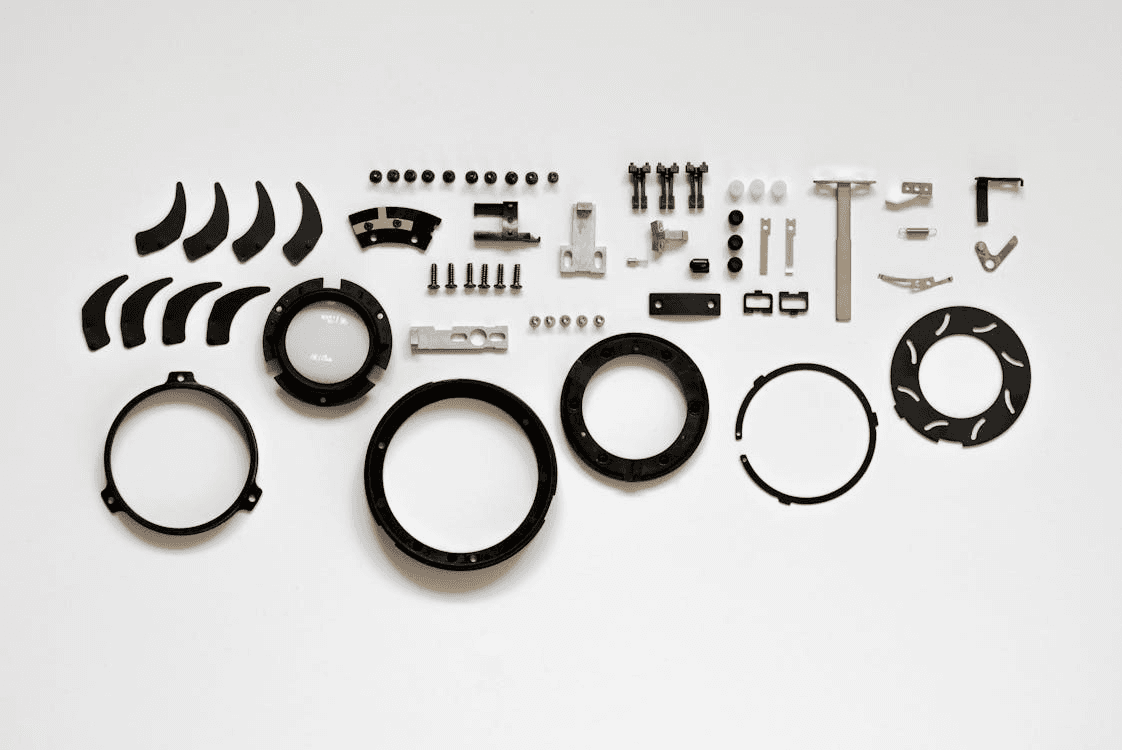
When we think of industrial innovation, it’s often the cutting-edge technologies — robotics, automation, AI — that steal the spotlight. But behind every advanced system is a foundation built on mechanical reliability, where basic components like bolts, bearings, seals, and shafts quietly power the world’s industries.
These everyday essentials may not grab headlines, but they are the unsung heroes that keep machines running, systems stable, and industries moving. Without them, even the most sophisticated equipment would fail.
The Backbone of Industry
From heavy machinery and automotive systems to energy plants and assembly lines, industrial components like fasteners and bearings perform critical functions. Let's take a closer look at how these often-overlooked parts shape the performance and reliability of industrial operations.
1. Bolts: Strength in Simplicity
Bolts are one of the most fundamental mechanical fasteners, used to securely join two or more parts. Their reliability is essential in load-bearing applications, structural frameworks, rotating machinery, and more.
Applications: Construction, manufacturing equipment, aerospace, automotive
Why They Matter: Properly selected bolts ensure mechanical stability, reduce vibration, and prevent failure under stress.
Modern engineering demands precise tolerances and material grades for bolts, especially in high-pressure or high-temperature environments. Their effectiveness lies not just in material strength, but in how well they match the application.
2. Bearings: Smooth Motion, Less Friction
Bearings enable smooth, controlled motion between moving parts by reducing friction and wear. From electric motors to wind turbines, bearings support rotation and alignment across virtually all mechanical systems.
Types: Ball bearings, roller bearings, thrust bearings, plain bearings
Key Roles: Load support, reducing mechanical resistance, increasing energy efficiency
Selecting the right bearing type and lubrication is crucial for operational longevity and energy savings. Poorly chosen or maintained bearings are a common cause of machinery failure.
3. Seals and Gaskets: Small Components, Big Impact
These components prevent leaks, contamination, and pressure loss in mechanical assemblies. Their job might seem simple, but seals and gaskets are vital to maintaining the integrity of enclosed systems, especially those handling fluids, gases, or high pressure.
Common Uses: Hydraulic systems, engines, pipelines, compressors
Importance: Prevent system degradation and improve safety
Improper sealing leads to fluid loss, reduced efficiency, and even environmental hazards — making quality and fit critical.
4. Shafts, Bushings, and Keys: Supporting Power Transmission
Power transmission components like shafts and bushings are essential for converting energy into motion. These elements work together to transfer torque, align loads, and handle rotational forces.
Shafts: Transmit torque and rotation
Bushings: Provide interface support and reduce wear
Keys and Couplings: Secure parts and enable synchronized motion
Their design must match the dynamic requirements of the machinery they serve, accounting for speed, load, and alignment.
Looking Beyond the Basics
Understanding and maintaining these everyday components is not just the job of engineers and technicians — it’s key to better decision-making across operations, procurement, and sustainability.
As industries evolve, so too will these components. Innovations in materials science, smart monitoring (like IoT-enabled bearings), and modular design are helping these “basic” parts become smarter, more efficient, and longer-lasting.
Conclusion
In the world of industrial systems, performance doesn’t just depend on the flashy front-end. It’s built on the strength and precision of small, essential parts. Bolts, bearings, and beyond — these are the components that quietly carry the weight of industry, every single day.